Energy Flow Optimization
Energy flow is a crucial concept in both nature and engineering. It refers to the movement of energy through systems, be it in ecosystems or power grids. In simple terms, it's how energy is generated, transmitted, and consumed. Understanding this flow can help us improve efficiency and reduce waste!
When we optimize energy flow, we’re essentially looking to enhance how energy is used and distributed. This not only leads to cost savings but also benefits the environment by reducing carbon footprints. It's exciting to think about how small changes can lead to big impacts!
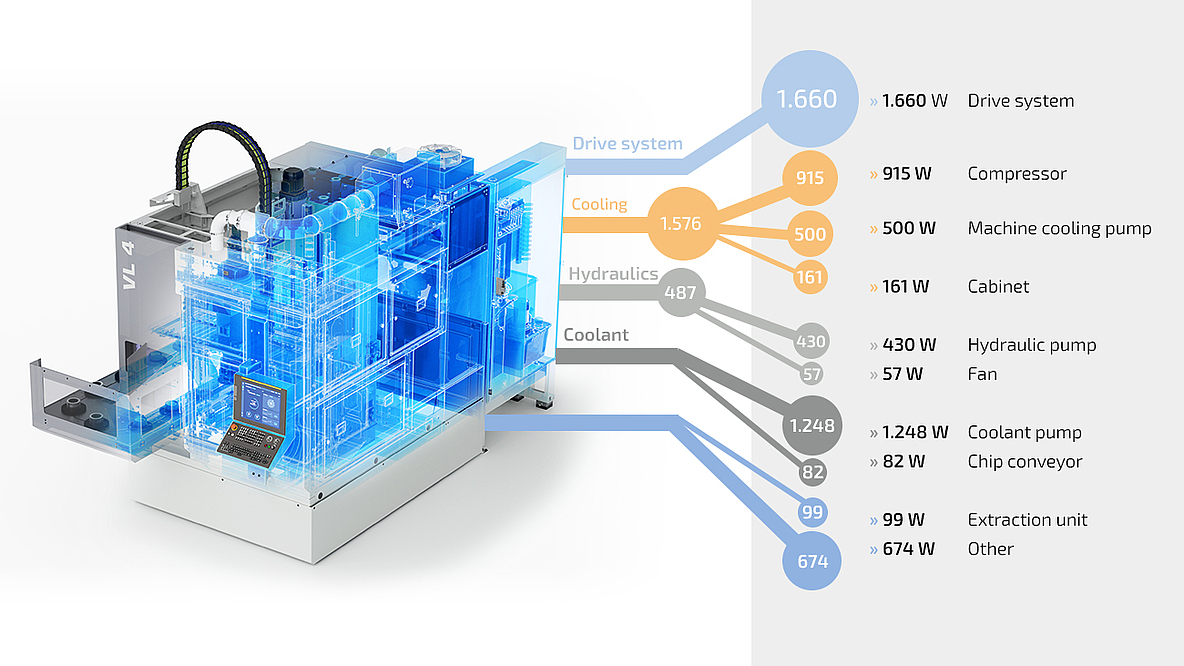
Importance of Optimization
Optimizing energy flow is essential for several reasons. First, it can lead to significant savings on energy bills! By streamlining processes, companies can reduce their energy consumption without sacrificing performance.
Additionally, optimizing energy flow helps in meeting regulatory standards. Many companies must comply with environmental regulations, and improving energy efficiency can aid in achieving these goals. For a different, more holistic view on optimizing flow—that of the body's internal energy (Qi) for health and wellness—you can find resources at
How to Optimize Energy Flow
There are various strategies to optimize energy flow. Here are a few key methods:
- Conduct Energy Audits: Regular audits help identify where energy is wasted.
- Implement Smart Technology: Smart meters and automation can control energy use more effectively.
- Invest in Renewable Energy: Utilizing solar or wind energy can significantly lower dependence on traditional energy sources.
Each of these methods contributes to a more efficient use of resources. By integrating these strategies, organizations can create a more sustainable energy environment.
Challenges in Energy Flow Optimization
Despite its benefits, there are challenges in optimizing energy flow. One major hurdle is the initial cost of implementing new technologies. Many businesses worry about the upfront investment, even if it pays off in the long run.
Another challenge is the complexity of existing systems. Legacy systems may not easily adapt to new technologies, making upgrades more difficult. It's crucial to plan these integrations carefully!
Overcoming Obstacles
To tackle these challenges, companies can take various approaches. First, they can look for government incentives or grants that support energy efficiency initiatives. These financial aids can lessen the burden of initial investments.
Training staff is also important. Educating employees about energy management can encourage them to adopt energy-saving practices in their daily tasks. A knowledgeable team is a valuable asset!
Future Trends in Energy Flow Optimization
The future of energy flow optimization looks bright! Innovations in technology are constantly emerging, making it easier to monitor and manage energy consumption. For example, the rise of the Internet of Things (IoT) allows for better data collection and analysis.
Moreover, artificial intelligence (AI) is being applied to predict energy demand and optimize usage accordingly. This means that in the future, we could see even smarter energy systems that maximize efficiency and minimize waste.
Final Thoughts
Optimizing energy flow is not just about saving money; it’s also about creating a sustainable future. Every step taken towards better energy management counts! Whether it’s a small change at home or a large-scale implementation in industry, the impact can be profound.
Embracing energy flow optimization is essential for businesses wanting to stay competitive while being environmentally responsible. Let's work together to make a difference!
FAQs about Energy Flow Optimization
What is energy flow?
Energy flow refers to the movement of energy through systems, including ecosystems and power grids, encompassing its generation, transmission, and consumption.
Why is optimizing energy flow important?
Optimizing energy flow is important because it leads to significant savings on energy bills, helps meet regulatory standards, and reduces environmental impact by lowering carbon footprints.
What are some strategies to optimize energy flow?
Key strategies to optimize energy flow include conducting energy audits, implementing smart technology, and investing in renewable energy sources like solar or wind.
What challenges do businesses face in energy flow optimization?
Businesses often face challenges such as the initial cost of new technologies and the complexity of integrating legacy systems with newer solutions.
How can companies overcome obstacles in energy flow optimization?
Companies can overcome obstacles by seeking government incentives, grants for energy efficiency initiatives, and training staff on energy management practices.
What future trends are expected in energy flow optimization?
Future trends in energy flow optimization include the growth of IoT for better data management and the application of AI to predict energy demand and enhance efficiency.
What is the overall goal of energy flow optimization?
The overall goal of energy flow optimization is to create a sustainable future by enhancing energy management, leading to cost savings and a reduced environmental impact.
Follow Us
Tumblr | Overblog | Twitter | Gravatar | Disqus | Google Sites | Youtube | About.me
Comments
Post a Comment